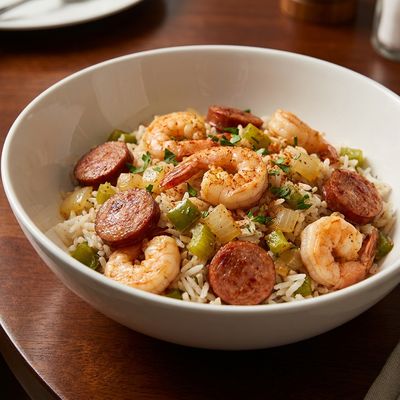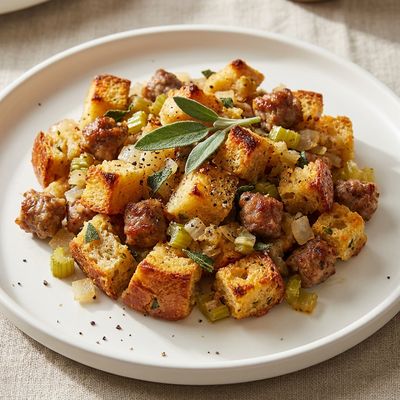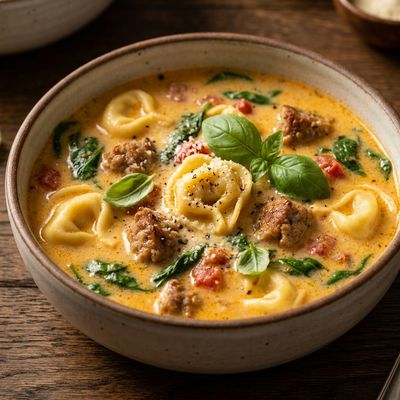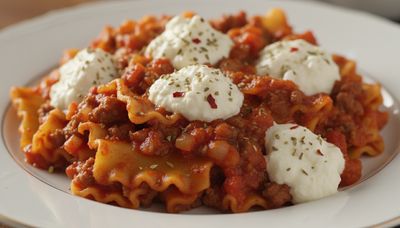
What Sausage Is
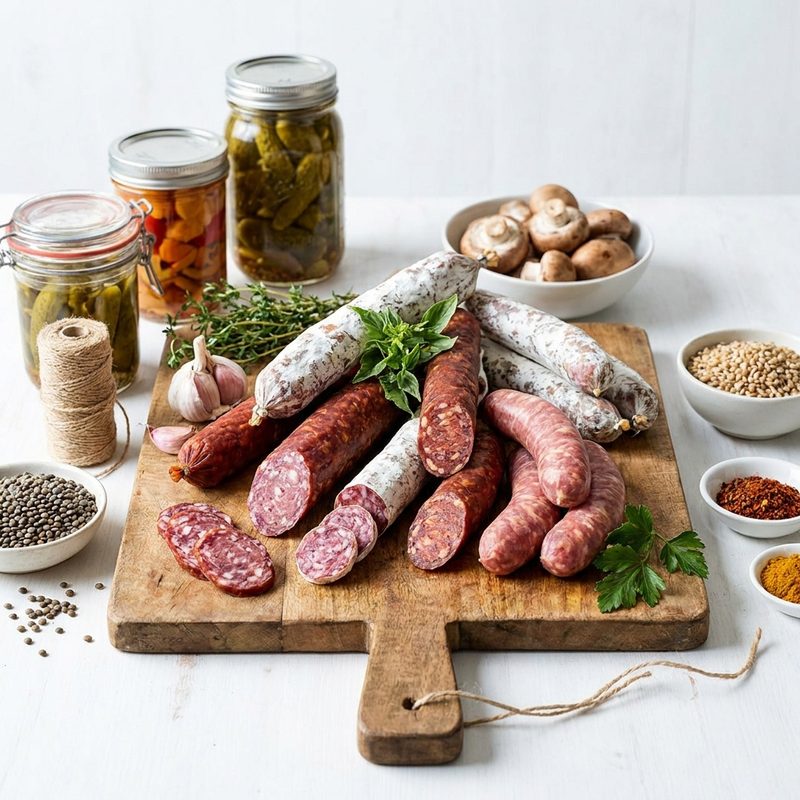
Sausage is a mixture of ground meat (typically pork, beef, or chicken), fat, salt, and spices, stuffed into a casing. The casing can be natural (from animal intestines) or synthetic (collagen or cellulose). Sausages are one of the oldest forms of processed meat, dating back to ancient Mesopotamia, and are made worldwide in countless regional varieties—from fresh Italian links to cured Spanish chorizo. The fat content is critical: most sausages contain 20–30% fat by weight, which ensures juiciness. For example, a standard pork sausage uses an 80/20 lean-to-fat ratio. Spice blends vary widely: Italian sausage relies on fennel seeds (about 1 teaspoon per pound of meat), garlic, and black pepper, while breakfast sausage uses sage (1 tablespoon per pound) and a pinch of nutmeg. Cured sausages like pepperoni or salami undergo fermentation and drying, which reduces moisture to 35–40% and concentrates flavor. Fresh sausages, such as bratwurst or bangers, are meant to be cooked immediately and have a moisture content around 60%.
How to Choose Sausage
When buying sausage, look for a firm texture and a casing that is intact without tears or slime. Fresh sausages should be pink or reddish, not grey or brown. Check the ingredient list: quality sausages list meat first, with minimal fillers (like breadcrumbs or soy). For links, aim for a uniform size for even cooking. If possible, buy from a butcher for fresher options—fresh sausage should be cooked within 2 days of purchase. For cured sausages, check for a dry, firm surface without mold (unless it's a white, powdery bloom, which is harmless on some salamis). Avoid sausages with excessive liquid in the package, which indicates poor binding. For bulk sausage (sold without casing), look for a consistent color and no off-odors. If buying pre-packaged, check the sell-by date and choose packages that feel cold to the touch. For specialty sausages like andouille or kielbasa, verify the spice profile: andouille should have a smoky, garlicky flavor, while kielbasa is milder with marjoram and allspice.
How to Use Sausage in Cooking
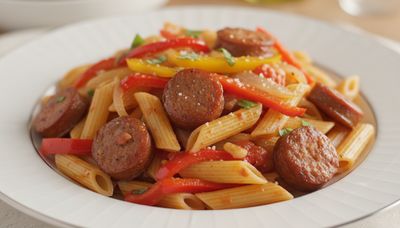
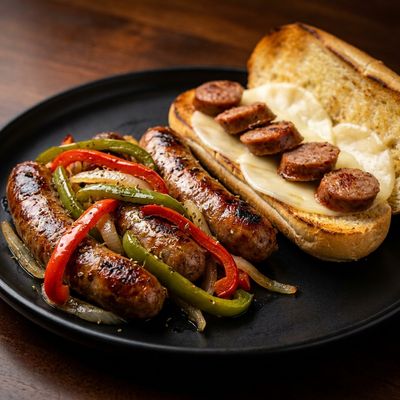
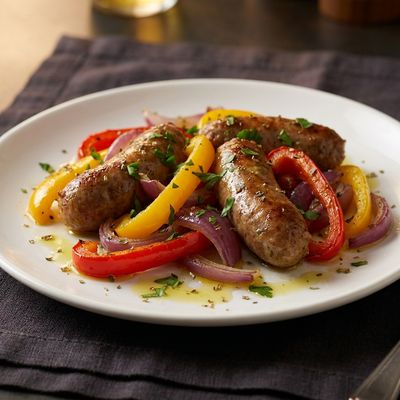
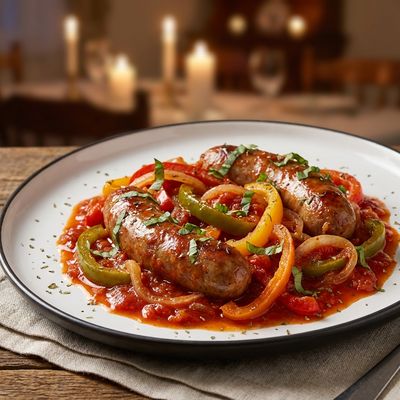
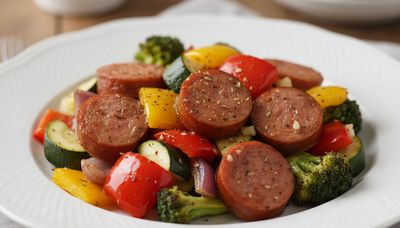
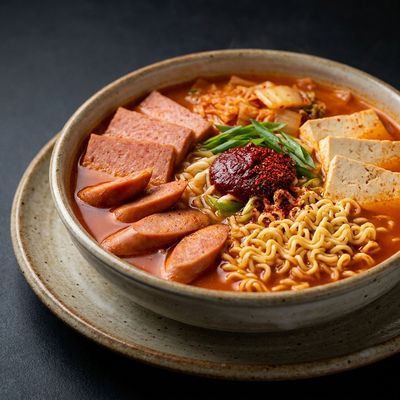
Sausage can be grilled, pan-fried, baked, or simmered. For pan-frying, cook links over medium heat for 12–15 minutes, turning every 3–4 minutes, until the internal temperature reaches 160°F (71°C) for pork or beef, or 165°F (74°C) for poultry. To prevent bursting, prick the casing once with a fork before cooking. For grilling, preheat to medium (350°F/175°C) and cook for 10–12 minutes, turning every 2 minutes. For baking, place links on a wire rack over a sheet pan and bake at 375°F (190°C) for 20–25 minutes, flipping halfway. For soups or stews, remove the casing and crumble the meat, then brown it first for deeper flavor—cook over medium-high heat for 5–7 minutes, breaking it into ½-inch pieces. Sausage also works well in casseroles, pasta sauces, and breakfast dishes. For a classic pasta sauce, brown 1 pound of Italian sausage (casings removed) with 1 diced onion and 3 cloves garlic, then add 28 ounces of crushed tomatoes and simmer for 20 minutes. For breakfast, cook patties (formed from bulk sausage) for 4–5 minutes per side over medium heat. For braising, simmer sausages in beer or broth for 15 minutes, then sear for 2 minutes per side to crisp the casing.
Substitutes for Sausage
1. Ground pork or beef: Use the same weight as sausage. Season with fennel seeds, paprika, salt, and pepper to mimic sausage flavor. Texture will be less cohesive, but works in sauces or stuffing. For 1 pound of ground pork, add 1 teaspoon fennel seeds, 1 teaspoon smoked paprika, ½ teaspoon salt, and ¼ teaspoon black pepper. Mix and let rest for 10 minutes before cooking.
2. Chorizo (cured): Swap 1:1 for fresh sausage in cooked dishes. Cured chorizo is firmer and spicier—reduce added salt by half. For a milder substitute, use half cured chorizo and half ground pork. Cured chorizo is already cooked, so add it at the end of cooking to avoid drying out.
3. Tofu or tempeh: Crumble and season with smoked paprika, garlic, and sage. Use 1.5 times the amount for bulk. This works in pasta, stir-fries, or breakfast scrambles. For 1 pound of tofu, press for 30 minutes to remove excess moisture, then crumble and sauté with 1 tablespoon olive oil, 1 teaspoon smoked paprika, ½ teaspoon garlic powder, and ½ teaspoon dried sage for 5–7 minutes until browned. For tempeh, steam for 10 minutes first to soften, then crumble and season similarly.
How to Store Sausage
Fresh sausage should be refrigerated at 40°F (4°C) or below and used within 2 days. Cooked sausage keeps in the fridge for 3–4 days. For freezing, wrap sausages tightly in plastic wrap, then foil or a freezer bag—they last 1–2 months at 0°F (-18°C). Thaw in the fridge overnight before cooking. Cured or smoked sausages (like salami) can be stored in a cool, dry place for weeks, but refrigerate after opening. For long-term storage of cured sausages, wrap in parchment paper and keep in a dark, well-ventilated area at 50–60°F (10–15°C). Once sliced, cured sausage should be consumed within 1 week. For cooked sausages, store in an airtight container with a paper towel to absorb moisture; replace the towel daily. If freezing bulk sausage, portion into 1-pound amounts and flatten into patties for faster thawing. Avoid refreezing thawed raw sausage, as texture degrades.
Common Mistakes
1. Overcooking: Sausage dries out if cooked too long. Use a meat thermometer to check doneness—160°F (71°C) for pork/beef, 165°F (74°C) for poultry. For example, grilling for more than 15 minutes over high heat (above 400°F/200°C) can cause the casing to split and the meat to become tough. If you don't have a thermometer, cut into a link: the juices should run clear, and the meat should be firm but not hard.
2. Skipping the rest: Let sausage rest for 3 minutes after cooking to redistribute juices. Cutting too soon causes dry, crumbly results. Resting allows the internal temperature to rise by 5°F (3°C) and the proteins to relax, locking in moisture. For grilled sausages, tent loosely with foil during rest.
3. Not pricking the casing: For pan-frying, prick once to prevent bursting. But for grilling, leave intact to keep juices in—just cook over moderate heat. If you prick grilled sausages, the fat drips out and can cause flare-ups. For baking, pricking is optional; if you do, use a toothpick for a small hole. Another common mistake is cooking frozen sausages without thawing: this leads to uneven cooking, with the outside burning before the inside reaches 160°F. Always thaw in the fridge for 8–12 hours before cooking. Also, avoid boiling sausages in water, as this leaches flavor and fat; instead, simmer gently in broth or beer for a moist result.
Key Takeaways
- ✓ <ul><li>For even cooking, bring sausages to room temperature for 15 minutes before cooking.</li><li>Use a cast-iron skillet for a better sear and even heat distribution.</li><li>Deglaze the pan with a splash of wine or broth after browning sausage to make a quick sauce.</li><li>If making sausage patties, wet your hands to prevent the meat from sticking when shaping.</li></ul>